
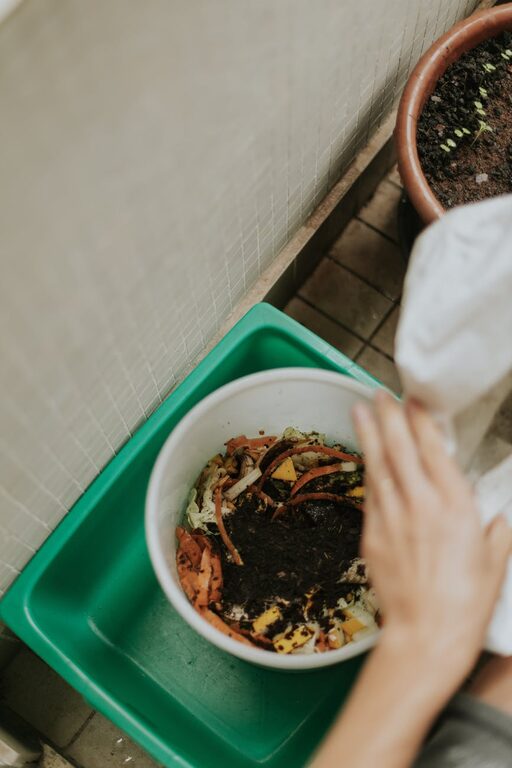
Composting is a fantastic way to turn kitchen scraps and yard waste into nutrient-rich soil for your garden. Whether you have a large backyard or a small balcony, composting at home can help you reduce waste, save money on fertilizers, and promote a healthier environment. If you’re new to composting, this guide will walk you through the basics and offer some helpful tips to get you started.
What Is Composting?
Composting is the natural process of breaking down organic materials, like food scraps and plant debris, into a dark, crumbly substance called compost. This process involves various microorganisms, such as bacteria and fungi, that help decompose the material. The end result is a rich soil amendment that improves soil structure, moisture retention, and fertility.
Why Start Composting at Home?
– Reduces waste: Divert organic materials from landfills, reducing methane emissions.
– Improves soil: Adds valuable nutrients and beneficial microbes to your garden soil.
– Saves money: Reduces the need for chemical fertilizers and soil conditioners.
– Supports sustainability: Encourages an eco-friendly lifestyle.
Choosing Your Composting Method
There are many ways to compost, so consider your space, time, and what materials you produce. Here are some popular methods:
1. Traditional Compost Bin
– Ideal for those with outdoor space.
– A bin or pile where you add organic waste and turn it regularly.
– You’ll get finished compost in a few months.
2. Tumbler Composters
– Enclosed rotating barrels that speed up decomposition.
– Easier to turn and more contained.
– Good for small yards.
3. Worm Composting (Vermicomposting)
– Uses special worms to break down kitchen scraps.
– Suitable for indoors or small spaces.
– Produces nutrient-rich worm castings.
4. Bokashi Composting
– Fermentation process using a special mix.
– Works in a sealed container and accepts meat or dairy.
– Finished product is buried in soil to complete decomposition.
Essential Composting Tips for Beginners
1. Balance Greens and Browns
Compost needs a good mix of “green” nitrogen-rich materials and “brown” carbon-rich materials. Here’s what to use:
– Greens: fruit scraps, vegetable peelings, coffee grounds, grass clippings.
– Browns: dry leaves, cardboard, shredded paper, straw.
Aim for roughly a 2:1 ratio of browns to greens. Too many greens can cause odor; too many browns slow down decomposition.
2. Cut or Chop Materials
Smaller pieces decompose faster. Chop kitchen scraps and shred paper or leaves before adding them to your pile or bin.
3. Keep It Moist
Compost should be as damp as a wrung-out sponge. If it’s too dry, decomposition slows down; too wet, it becomes smelly. Water your pile if it dries out, or add browns if too wet.
4. Turn Your Compost Regularly
Aerating your compost introduces oxygen, which helps microbes do their job and reduces odors. Use a garden fork or compost aerator to turn the pile every 1-2 weeks.
5. Avoid Adding Certain Items
Some household waste should not go into compost because they attract pests or don’t break down:
– Meat, fish, dairy
– Oils and fats
– Pet waste
– Diseased plants or weeds with seeds
If interested, methods like bokashi can manage some of these exceptions.
6. Be Patient
Composting is a natural process that takes time. Under ideal conditions, compost can be ready in 2-3 months, but it might take longer depending on temperature, moisture, and materials.
How to Use Your Finished Compost
Once your compost is dark, crumbly, and earthy-smelling, it’s ready to use. Here are some ideas:
– Soil amendment: Mix compost into garden beds to improve soil texture and fertility.
– Potting mix: Add compost to potting soil for container plants.
– Mulch: Spread compost on top of soil to retain moisture and suppress weeds.
– Top dressing: Sprinkle compost around plants throughout the growing season for extra nutrients.
Troubleshooting Common Issues
| Problem | Cause | Solution |
|—————–|————————————|——————————-|
| Foul odor | Too wet or too many greens | Add browns, turn pile |
| Slow decomposition | Not enough moisture or greens | Add water and green materials |
| Pest attraction | Added meat/dairy or exposed food | Avoid these materials, cover food |
| Compost too dry | No moisture | Add water |
Final Thoughts
Starting a composting routine at home is easier than you might think, and it’s a rewarding way to contribute to a healthier planet. Remember to balance your materials, keep your pile moist and aerated, and be patient with the process. Soon you’ll have rich, homemade compost ready to give your garden a natural boost!
Happy composting!
—
If you have questions or want to share your composting experiences, feel free to leave a comment below. We’d love to hear how composting fits into your home and garden!