
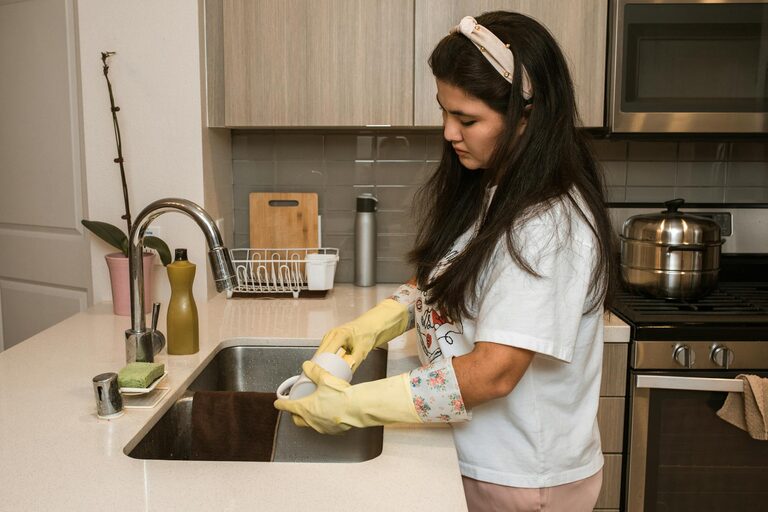
Making dinner is often a highlight of the day, but the cleanup afterward can feel like a dreaded chore. Whether you’re cooking for yourself, your family, or guests, tidying up can take away from the relaxation and enjoyment of your evening. The good news is that with some simple strategies and a bit of planning, dinner cleanup can become faster, easier, and even less stressful.
In this post, we’ll explore practical ideas to help you breeze through your after-dinner routine. From organizing your kitchen to smart cooking habits, these tips will make cleanup feel like less of a task.
1. Plan Ahead: Prepare Your Kitchen Before You Cook
One of the most effective ways to make cleanup easier is to set yourself up for success before cooking even starts.
Clear and Clean Your Workspace
Start by clearing your countertops and sink. A tidy workspace allows you to move freely and helps prevent messes from piling up.
Use Tools and Containers Wisely
Keep mixing bowls, utensils, and ingredients organized. Using a large trash bowl or compost container nearby means you can dispose of scraps immediately instead of leaving them on the counter.
Set Up Your Dishwasher or Sink
If you have a dishwasher, load any clean dishes and start a cycle so you have space for pots and pans later. Alternatively, fill one side of the sink with warm soapy water so you can soak dirty items right away.
2. Adopt Efficient Cooking and Serving Habits
How you cook and serve food can have a big impact on the cleanup needed afterward.
Cook in One or Two Pots or Pans
Choose recipes or cooking methods that require fewer pans. Sheet pan meals, one-pot dishes, and slow cooker recipes minimize dishes and save cleanup time.
Use Parchment Paper or Silicone Mats
Lining baking sheets with parchment or reusable silicone mats helps prevent sticking and reduces scrubbing.
Serve Family-Style
Instead of plating individual portions with multiple dishes, serve food in larger bowls or platters. This cuts down on the number of plates and utensils used.
3. Clean as You Go
One of the best habits for making dinner cleanup easier is to tidy while you cook.
Wash or Soak Immediately
Rinse spoons, cutting boards, and mixing bowls as soon as you finish using them. Soaking pots and pans right after cooking prevents food from hardening.
Wipe Spills and Counters Promptly
Don’t let spills sit. A quick wipe will save you from tougher stains later.
Keep a Trash Bag or Compost Bin Handy
Dispose of packaging and food scraps immediately rather than letting them accumulate on your counters.
4. Streamline Post-Dinner Cleanup
Once the meal is finished, having a plan in place can prevent an overwhelming mountain of dishes.
Clear the Table Efficiently
Encourage everyone to clear their plates and bring dishes to the kitchen. Using a tray can make transporting multiple dishes easier.
Load Dishwasher Smartly
Scrape food off plates into the trash before loading the dishwasher. Arrange dishes for optimal cleaning, placing larger items on the bottom racks and delicate ones on top.
Wash Utensils and Pans by Hand
Tackle any pots and pans that can’t go into the dishwasher right away. Doing this prompt prevents harder cleanup later.
Use a Timer or Set a Routine
Sometimes setting a timer for 10–15 minutes after dinner can motivate you to start cleaning right away. Creating a routine where everyone pitches in makes cleanup quicker and shares the workload.
5. Use Helpful Tools and Products
Certain kitchen gadgets and products can make cleaning easier.
Silicone Scrubbers and Sponges
These are durable and less prone to odors or bacteria growth compared to traditional sponges.
Dish Racks and Drying Mats
A well-ventilated drying rack speeds up drying and keeps counters dry.
Multipurpose Cleaners
Keep a spray bottle of all-purpose cleaner nearby for quick wipe-downs of counters and table surfaces.
6. Involve Family Members or Housemates
Sharing the cleanup responsibilities reduces your workload and fosters good habits.
Assign Simple Tasks
Children and family members can help clear the table, rinse dishes, or wipe down counters.
Make It Fun
Turn on some music, set a timer, or create a game out of cleaning. Small incentives can motivate participation.
7. Manage Leftovers Wisely
Handling leftovers effectively can reduce mess and save time next day.
Use Clear Containers
Transfer leftovers into clear, airtight containers to avoid spills and make sorting easier.
Label and Store Promptly
Label containers with the date and contents, then store them in the fridge or freezer immediately.
Clean Used Cooking Tools Right Away
Any bowls, spoons, or pots used to transfer or pack leftovers should be rinsed or washed to prevent buildup.
Final Thoughts
Dinner cleanup doesn’t have to be a stressful, time-consuming chore. By incorporating a few simple habits like planning ahead, cleaning as you cook, and involving everyone in the process, you can make it much easier. These small changes free up more time to relax and enjoy your evening. Try implementing one or two tips from this post tonight and see how your cleanup routine improves!
Remember, consistency is key — the more you practice these ideas, the more natural and efficient your cleanup will become. Happy cooking and cleaning!