
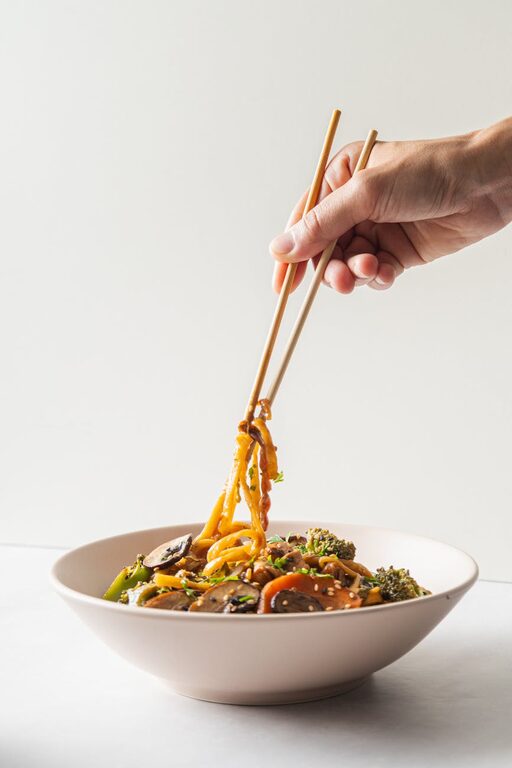
Planning balanced meals doesn’t have to be overwhelming. With a little organization and simple strategies, you can create nutritious meals that you and your family will enjoy—all without turning cooking into a stressful chore. In this post, we’ll walk through practical steps to help you plan balanced meals easily and confidently.
Why Plan Balanced Meals?
Balanced meals provide your body with essential nutrients—like protein, carbohydrates, fats, vitamins, and minerals—to support your overall health and energy. Planning ahead can help you:
– Save time and money
– Reduce food waste
– Avoid last-minute unhealthy choices
– Enjoy a variety of flavors and nutrients
Step 1: Understand the Basics of a Balanced Meal
A balanced meal typically includes three main components:
1. Protein
Protein supports muscle repair and keeps you feeling full. Good sources include:
– Lean meats (chicken, turkey, lean beef)
– Fish and seafood
– Eggs
– Beans and legumes
– Tofu and tempeh
– Nuts and seeds
2. Carbohydrates
Carbs provide energy. Focus on complex carbohydrates that digest slowly:
– Whole grains (brown rice, quinoa, oats)
– Whole-wheat pasta or bread
– Vegetables, especially starchy ones like sweet potatoes and corn
– Fruits
3. Healthy Fats
Healthy fats support brain function and heart health:
– Avocado
– Olive oil and other plant oils
– Nuts and seeds
– Fatty fish like salmon
4. Vegetables and Fruits
Aim to fill half your plate with colorful vegetables and fruits. They provide fiber, vitamins, and antioxidants.
Step 2: Start With a Weekly Meal Plan
Creating a weekly meal plan is a great way to reduce mealtime stress.
How to make a simple meal plan:
- **Set a realistic schedule:** Decide how many meals you need to plan each week, considering dining out or leftovers.
- **Choose versatile ingredients:** Select ingredients that can be used in multiple meals (e.g., chicken for a stir-fry and a salad).
- **Incorporate your favorites:** Include meals you enjoy and your family loves to make the plan sustainable.
- **Balance your meals:** Use the protein, carb, fat, and veggie components mentioned above.
- **Consider preparation time:** Plan some quick meals for busy days and more involved recipes for when you have extra time.
Step 3: Make a Smart Grocery List
Once you have a meal plan, write down the ingredients you need.
Tips for smart grocery shopping:
– Check your pantry to avoid duplicates.
– Group your list by sections of the store to shop efficiently.
– Opt for fresh, seasonal produce—it’s often more affordable and flavorful.
– Consider buying in bulk for staple items like grains and legumes.
Step 4: Prep Ingredients Ahead of Time
Meal prepping saves time and makes cooking less stressful.
Easy prep ideas:
– Wash and chop vegetables and store them in containers.
– Cook grains like rice or quinoa in larger batches.
– Portion out nuts or snacks into grab-and-go bags.
– Marinate proteins overnight or in the morning.
Step 5: Use Simple Cooking Techniques
You don’t need fancy skills to prepare balanced meals.
– One-pan meals: Toss ingredients into a baking dish or skillet for easy cooking and cleanup.
– Sheet pan dinners: Roast protein and vegetables together on a single tray.
– Slow cookers or pressure cookers: Prepare meals in advance that cook while you’re busy.
– Salads and wraps: Combine prepped ingredients quickly for a nutritious meal.
Step 6: Stay Flexible and Adjust When Needed
Meal planning is a tool, not a strict rulebook. Life happens!
– Swap out meals if a plan doesn’t fit your schedule.
– Use leftovers creatively to reduce waste.
– Allow yourself occasional treats to maintain balance.
Bonus Tips for Stress-Free Meal Planning
– Keep recipes simple: Focus on a few tried-and-true dishes.
– Involve family members: Share meal prep tasks or seek input on favorite meals.
– Use online resources: Apps and websites can offer meal ideas and shopping lists.
– Stay hydrated: Drinking water throughout the day supports digestion and appetite control.
Conclusion
Planning balanced meals can be straightforward and enjoyable when you use the right approach. Start with understanding what makes a meal balanced, create a flexible weekly meal plan, prepare ingredients in advance, and use easy cooking methods. With these steps, you’ll save time, eat healthier, and feel less stressed in the kitchen. Happy cooking!